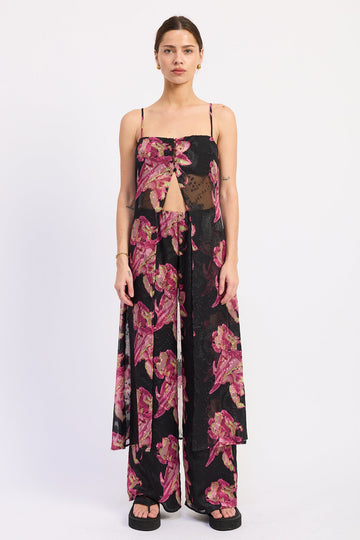
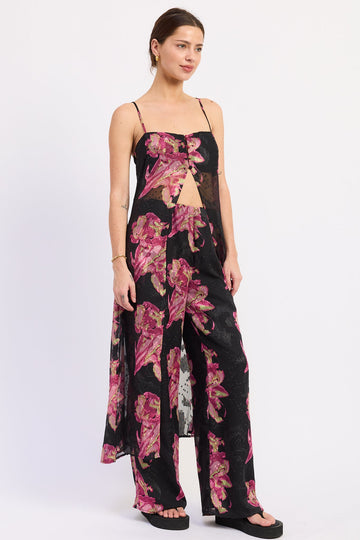
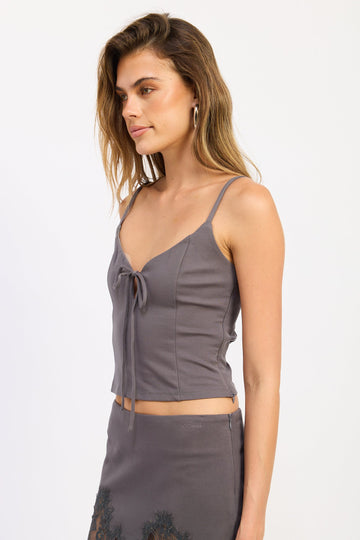
How to Layer Lightweight Knit Tops Under Blazers Without Adding Bulk
The bulk appears when the knit’s hem sits at or above the blazer’s inner chest seam, creating a visible ridge; keep the seam at least ¼‑½ inches higher than the knit’s bottom edge. Aim for a jacket‑to‑torso length ratio of roughly 1:1.5, which lets the blazer drape without compressing the knit.
Stylist Key Takeaway:
Maintain a ¼‑½ in. hem clearance and a 1:1.5 jacket‑to‑torso ratio; this preserves sleek lines while keeping the knit breathable.
Engineering the Seam: Why the Inner Chest Cut Matters
Blazer construction relies on a precise inner chest seam that defines the garment’s silhouette. When a lightweight knit pushes against this seam, the fabric stretches, creating a bulge that defeats the blazer’s clean architecture.
Choose blazers with a slightly higher armhole placement—often labeled “short‑rise” or “mid‑rise” in the product specs. This subtle shift gives the knit room to sit naturally without forcing the jacket’s canvas to contract.
For added stability, look for blazers featuring a fused canvas or a light interfacing layer; these reinforce the inner structure while remaining flexible enough for daily wear. Pair this with a fine‑gauge knit from our Women's Tops range for a seamless visual flow.
Balancing Ratios: The 1/3‑to‑2/3 Visual Rule
Visual harmony emerges when the visible portion of the knit occupies roughly one‑third of the blazer’s front, while the remaining two‑thirds is the blazer’s fabric. This proportion prevents the knit from dominating the outfit.
Apply the French tuck: pull the front edge of the knit into the waistband, leaving the back relaxed. This creates a subtle waist definition and ensures the knit’s hem clears the blazer’s inner seam by the required ¼‑½ in.
Footwear also influences perceived volume. Slim ankle boots or pointed pumps elongate the line, keeping the upper half of the silhouette light. A sleek heel from our Camis & Tanks collection works especially well with cropped blazers.
Fabric Mechanics: Stretch Recovery and Weight Management
Lightweight knits typically range from 150‑250 gsm; anything above 250 gsm begins to act like a sweater and adds unwanted heft. Opt for knits with an elastane recovery of at least 80 %—they snap back after movement, preserving a smooth outline under the blazer.
Merino wool blends and fine cotton jersey both offer breathability and a low‑profile drape. Avoid heavy ribbed textures, which create extra bulk at the cuff and hem.
When layering, prioritize a smooth back finish. Knits with a brushed or nubby back can catch on the blazer’s inner lining, creating friction and visible ridges. Our Women's T‑Shirts line includes seamless, flat‑lock stitches that glide effortlessly beneath structured pieces.
- Look 1: Midtown Minimalist — lightweight merino crewneck + tailored single‑breasted blazer + low‑heeled loafers. French tuck the crewneck, keep the hem ¼‑in. above the blazer’s inner seam for a clean line.
- Look 2: Urban Power Play — fine‑gauge cotton tee + cropped double‑breasted blazer + pointed ankle boots. Leave the tee untucked; the cropped blazer creates a 1/3‑to‑2/3 visual split.
- Look 3: Weekend Office — rib‑free knit tank + relaxed‑fit blazer + sleek block‑heel mules. Layer the tank under the blazer, ensuring a ½‑in. hem clearance; the relaxed blazer balances the fitted tank.
Rule-of-Thumb: Always measure the knit’s hem against the blazer’s inner chest seam; if the gap is less than ¼ in., raise the blazer’s rise or swap to a thinner knit.
By respecting seam clearance, proportionate ratios, and fabric recovery, you can master the art of sleek layering without sacrificing comfort. Explore complementary lightweight knits and structured blazers in our curated collections to keep your wardrobe versatile and runway‑ready.
Frequently Asked Questions
Q: What knit weight and fit should I pick so the blazer stays sleek?
A: Choose a fine‑gauged, single‑ply knit (think lightweight merino, cashmere blend, or modal) that drapes rather than clings. Opt for a slim, slightly tapered cut that sits close to the body without pulling at the seams—think a fitted crew or a subtle V‑neck. Avoid bulky ribbing or oversized silhouettes, as they add thickness under the blazer.
Q: How can I keep the look smooth and prevent the blazer from looking puffy?
A: Start with a seamless, form‑fitting base layer—no visible seams or ribbing. Tuck the knit into a high‑waist pant or skirt to create a clean line, then smooth the front with a lightweight, breathable under‑shirt if extra coverage is needed. Use a blazer with a structured shoulder and a slightly longer back (tailored or slightly cropped) so the fabric falls naturally over the knit without bunching.
Q: Which blazer styles work best with a lightweight knit top for a polished, non‑bulky outfit?
A: A single‑breasted blazer with a slim lapel and minimal padding is ideal; it follows the body’s shape without adding volume. Look for blazers cut in soft, stretch fabrics (like a wool‑spandex blend) that move with the knit. A slightly longer, “tailored‑short” length or a cropped blazer keeps the proportions balanced, while a single‑button closure reduces visual bulk at the chest.
Written by Genevieve Thorne, MeeeShop Trend Forecaster. Explore more styling guides and fashion insights on our Author Bio page.
Curated In-Stock Essentials
Hand-selected pieces from our Women's Tops collection to complete this look — ready to ship with free US shipping.