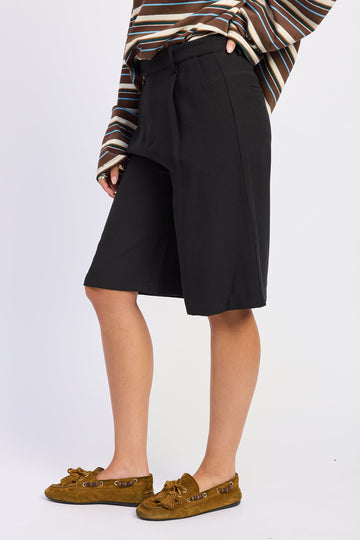
Finding Trousers That Don't Gap at the Waist: Rise and Fabric Tips
The waist gap originates from a mismatch between the garment’s fiber composition and the way its rise is engineered; synthetic blends tend to stretch unevenly, while natural fibers retain a stable “hanging zone” that resists sagging. The #1 golden rule is to choose trousers with a rise that aligns with your natural waist and a fabric that offers a balanced give‑and‑hold ratio—think woven cotton‑linen blends, high‑quality wool twill, or a structured polyester‑rayon mix with a modest elastane percentage.
Stylist Key Takeaway:
Select a mid‑to‑high rise in a stable woven fabric; the combination locks the waist in place and eliminates the dreaded gap.
Understanding Fiber & Structural Anatomy of Trousers
Natural fibers such as cotton, linen, and wool create an open‑weave matrix that distributes tension evenly across the waistband. Synthetic fibers—polyester, nylon, and rayon—form tighter bonds that can lock in shape but may also create rigid “dead zones” where the fabric refuses to flex, leading to a visible gap when you sit or bend.
Within any pair of pants, the “hanging zone” runs from the top of the waistband down to the first seam line. If this zone is shorter than your actual waist measurement, the fabric will pull inward, exposing skin. Look for a rise that adds at least 1‑2 inches of buffer above your natural waist; this extra length creates a seamless transition from body to fabric.
Our curated women's pants & leggings collection features pieces with reinforced waistbands—double‑stitched or bonded—that preserve the structural integrity of the hanging zone, even after multiple washes.
Step‑by‑Step Care & Organization Protocol for Gap‑Free Waistlines
1. Sort by fiber. Keep pure cotton or wool trousers separate from high‑elastic blends; mixed loads cause uneven friction that can loosen waistbands.
2. Temperature control. Wash woven fabrics in cold water (30 °C/86 °F) to prevent fiber shrinkage; for a slight softening, use a warm rinse only on polyester‑rayon mixes.
3. Gentle spin, no over‑dry. A low‑speed spin reduces stress on the waistband, and tumble‑dry on a low‑heat “fluff” setting or line‑dry flat to maintain rise.
4. Hang with care. Use wide, padded hangers that support the entire waistband rather than a single bar; this keeps the rise from stretching out of shape.
Quick Fabric Care & Emergency Protocol:
- Water-Based Spills (Coffee, Tea): Blot immediately with a clean cloth; flush cool water with mild neutral detergent. Air-dry flat.
- Oil-Based Stains (Makeup, Dressings): Apply cornstarch or talc for 15 minutes to lift lipids before gentle spot-cleansing.
- Delicate Weaves (Silk, Rayon, Knits): Never scrub or wring; use lukewarm or cool cycles and steam to refresh.
When you’re rotating seasonal wardrobes, store low‑rise pieces on a shelf and keep mid‑rise or high‑rise trousers folded with a thin tissue between the waistband to avoid compression. This simple organization habit preserves the original rise for years.
Common Pitfalls That Undermine Drape and Cause Gapping
Softener overload creates a slippery coating on fibers, allowing the waistband to slide down during movement. Opt for a fragrance‑free liquid detergent and skip fabric softener entirely on structured pants.
Improper hangers—thin metal or wire—focus pressure on a single point, stretching the waistband outward. Invest in wooden or padded hangers that cradle the entire band.
Overcrowding the closet crushes the hanging zone, especially for heavier fabrics like denim. Give each garment breathing room; a packed row is a shortcut to a permanent gap.
Finally, frequent high‑heat ironing can melt elastane fibers, reducing the controlled stretch that keeps the waist snug. Use a low‑heat setting and press on the reverse side, or simply steam to relax creases.
Rule-of-Thumb: When the waistband feels loose after a wash, add a hidden elastic insert or a small safety pin to the interior seam—this quick fix restores tension without altering the exterior silhouette.
Investing in boutique natural fibers and adhering to these care rituals ensures your trousers maintain a clean, gap‑free waist season after season. For a relaxed yet structured look, explore our wide leg jeans & relaxed pants line, where the generous rise is built into the pattern for effortless comfort.
Need pieces that transition from work to weekend without sacrificing fit? Our women's loungewear & basics collection includes soft twill joggers with reinforced waistbands, perfect for travel days when you’ll be sitting for hours.
Frequently Asked Questions
Q: How do I determine the right rise for my body so the trousers stay flat at the waist?
A: Start by measuring the distance from your natural waist (the narrowest part of your torso) to the top of your hip bone. Compare that number to the garment’s listed rise—mid‑rise (8‑9 in) usually sits just below the belly button, high‑rise (9‑10+ in) sits at or above the natural waist, and low‑rise (6‑7 in) sits on the hips. Try on the style and pull the waistband up to your natural waist; if the fabric smooths without pulling, you’ve hit the sweet spot. When shopping online, look for “high‑rise” or “mid‑rise” tags and check the product specs for exact rise measurements.
Q: Which fabrics help keep the waist from gaping while still feeling comfortable?
A: Look for blends that include a touch of elastane or spandex (2‑5%) for stretch and recovery—think ponte, stretchy denim, twill with a bit of lycra, or soft woven jersey. Structured fabrics like gabardine or heavyweight cotton can also hold shape, but pair them with a built‑in elastic or a slight stretch panel at the waistband. Avoid pure 100% linen or overly stiff polyester that can sag, and steer clear of overly thin, clingy fabrics that lack enough give to stay snug.
Q: What quick styling tricks or alterations can fix a gap if my favorite trousers still slip at the waist?
A: First, try a simple belt—choose one that’s the same width as the waistband for a seamless look. If a belt isn’t your style, use a hidden silicone grip strip (often sold as “waistband stay”) inside the band to add friction. For a more permanent fix, a tailor can add a small elastic insert or a back‑yoke stitch to tighten the back seam. Another boutique‑friendly hack is to layer a fitted, high‑waisted tank or bodysuit under the trousers; it creates a smooth base and eliminates the gap without altering the garment.
Written by Genevieve Thorne, MeeeShop Trend Forecaster. Explore more curated styling insights and fashion guides on our Author Bio page.
Curated In-Stock Essentials
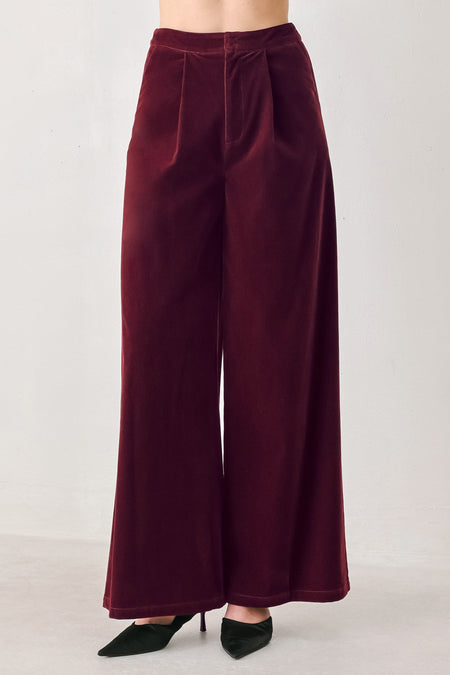
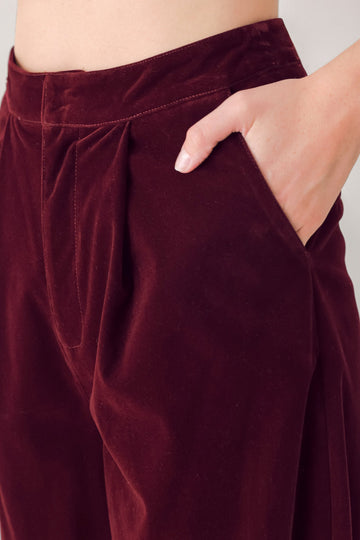
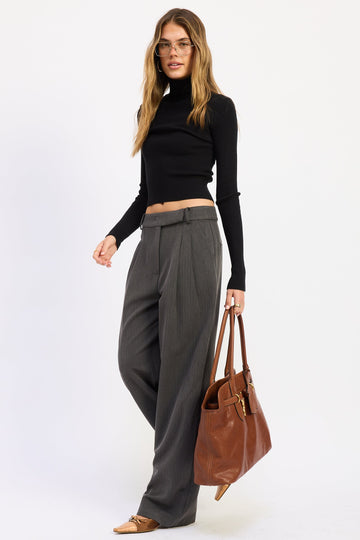
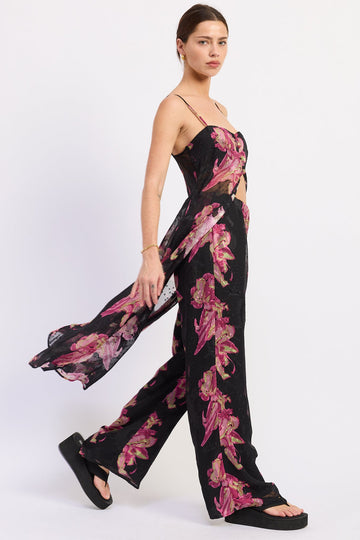
Hand-selected pieces from our Women's Pants & Leggings collection to complete this look — ready to ship with free US shipping.