Best Pants for Long Commutes: Wrinkle‑Resistant Fabrics and Fits
The #1 rule for commute‑ready pants is to choose a fabric with a tight, synthetic‑enhanced weave that resists compression set and rebounds after sitting. Pair that with a cut that sits just below the hip to avoid creasing in the seat.
Stylist Key Takeaway:
Opt for tightly‑knit polyester‑spandex blends with a mid‑rise cut; they stay smooth on the seat and recover quickly after long periods of sitting.
Quick Fabric Care & Emergency Protocol:
- Water‑Based Spills (Coffee, Tea): Blot immediately with a clean cloth; flush cool water with mild neutral detergent. Air‑dry flat.
- Oil‑Based Stains (Makeup, Dressings): Apply cornstarch or talc for 15 minutes to lift lipids before gentle spot‑cleansing.
- Delicate Weaves (Silk, Rayon, Knits): Never scrub or wring; use lukewarm or cool cycles and steam to refresh.
Fiber Architecture That Defies the Commute
Modern wrinkle‑resistant pants rely on a hybrid fiber matrix: a polyester core for tensile strength, spandex for stretch, and a brushed microfiber finish for a soft hand. The synthetic bonds create a “memory” that resists permanent creasing.
Open‑weave constructions, common in linen or lightweight cotton, allow air flow but collapse under prolonged pressure, creating deep seat folds. In contrast, a tight twill or ponte weave distributes weight evenly across the fabric plane.
The “hanging zone”—the area from the waist to the thigh—should have a minimum of 12‑14 threads per inch (TPI) to maintain structural integrity during seated periods. Anything below that threshold quickly loses its drape.
For commuters who transition from train to office, look for fabrics treated with a polymer‑based finish that repels moisture and reduces static, keeping the pants smooth even after a rainy walk.
Organized Wardrobe Workflow for Wrinkle‑Resistant Pants
Start by sorting pants by fabric weight: lightweight blends (under 8 oz) go on a padded hanger, mid‑weight (8‑12 oz) on a wooden clip, and heavyweight (12 oz+) on a sturdy bar. This prevents compression that forces creases.
Set your dryer to a low‑heat “air‑fluff” cycle or skip it entirely; heat can melt polymer finishes, making the fabric more prone to wrinkling. Instead, tumble‑dry with a few clean tennis balls to lift the fibers.
When storing, hang each pair by the waistband rather than the cuff to keep the leg line straight. If you must fold, use the “rolling” method: roll from the hem to the waist to minimize fold lines.
Steam is your best ally on the go. A handheld steamer for 10 seconds per leg restores the fabric’s bounce without the risk of iron burns. Keep a compact steamer in your bag for quick touch‑ups before meetings.
Explore our Women’s Pants & Leggings collection for pieces that already incorporate these engineering principles, saving you time on research.
Mistakes That Sabotage Drape on the Daily Run
Fabric softeners coat synthetic fibers with a slick layer that prevents the polymer finish from functioning, leading to permanent “set‑in” creases. Skip the dryer sheet and opt for a vinegar rinse instead.
Overcrowding the closet forces pants to press against each other, flattening the weave and creating micro‑creases that compound over weeks. Give each garment at least an inch of breathing space.
Using thin wire hangers creates a “pinch point” at the waistband, stretching the seam and pulling the fabric out of alignment. Choose thick, rounded wooden or padded hangers for optimal shape retention.
Stretching the leg while seated—common when reaching for a bag—exerts tension on the seam and can cause the fabric to lose its elasticity. Adjust the bag’s placement before you sit, or select a slightly looser cut.
Neglecting regular steaming after a week of wear allows tiny folds to set, making future removal harder. A quick 30‑second steam session each Sunday resets the fiber memory.
Rule-of-Thumb: When a pant’s seam sits flush against your hip without pulling, the rise is ideal for wrinkle resistance during long sits.
Investing in boutique‑crafted blends—think Italian‑engineered ponte or Japanese‑finished twill—means the fabric’s molecular structure is designed to bounce back after compression. Pair these with the care routine above, and you’ll enjoy a polished silhouette season after season.
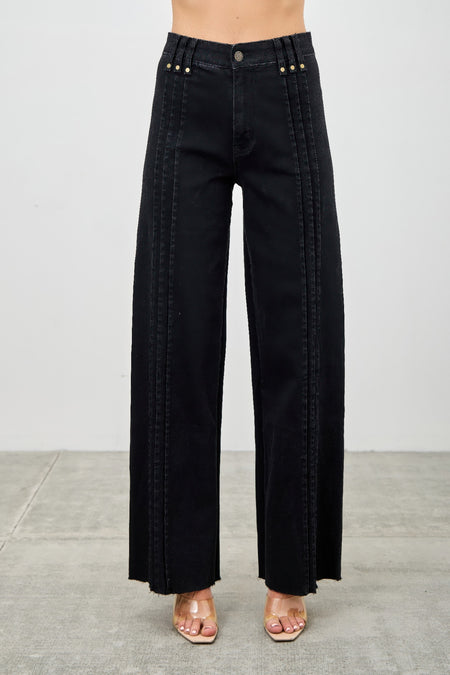
Our Women’s Bottoms range includes relaxed‑fit wide‑leg jeans that feature a hidden stretch core, perfect for commuters who need freedom of movement without sacrificing a crisp line. For a sleek office look, the Wide Leg Jeans & Relaxed Pants collection offers tapered silhouettes that stay smooth even after a full day of sitting.
Frequently Asked Questions
Q: Which fabrics stay wrinkle‑free after a long train or bus ride?
A: Look for pants made from ponte knit, high‑twist wool blends, performance polyester‑spandex, or a structured twill with a bit of elastane. These fabrics have built‑in recovery, resist creasing, and bounce back after you sit for hours. A subtle matte finish also hides any minor folds, so you’ll step off the platform looking polished.
Q: What cut or fit gives the most comfort while still looking professional for a commute?
A: A mid‑rise, slightly tapered leg with a modest stretch (2‑4% elastane) works best. The mid‑rise keeps the waistband in place when you’re moving, while a relaxed‑through‑the‑hip silhouette prevents pinching when you sit. A tapered or ankle‑length leg avoids excess fabric that can bunch, and the built‑in stretch lets you stand, sit, and walk without feeling restricted.
Q: How can I keep my commute pants looking fresh all day and transition them to after‑work events?
A: Pack a compact travel steamer or a wrinkle‑release spray in your bag for quick touch‑ups. Pair the pants with a structured blazer or a crisp button‑down for a work‑ready look, then swap the blazer for a sleek leather jacket and add heeled ankle boots or pointed flats for evening. A simple accessory change—like a statement belt or bold earrings—signals the shift from commute to cocktail without changing the pants.
Written by Audrey Sterling, MeeeShop Style Director. Explore more curated styling insights and fashion guides on our Author Bio page.
Curated In-Stock Essentials
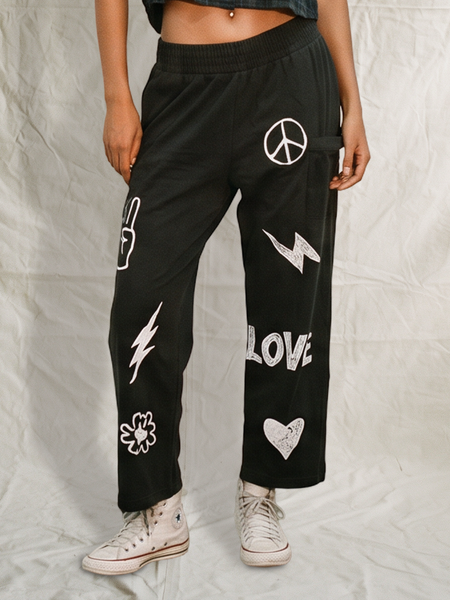
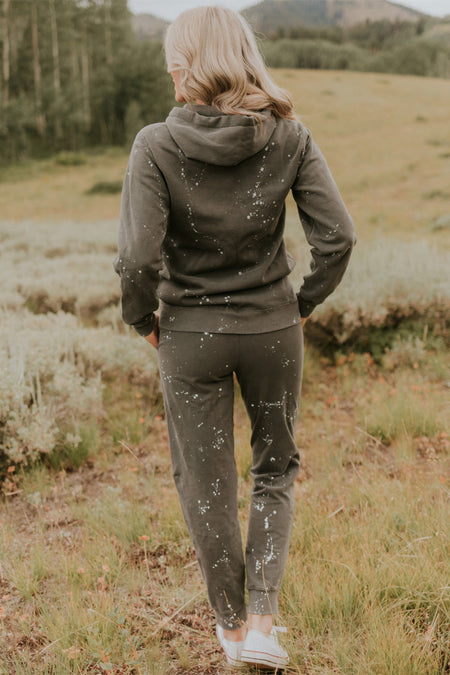
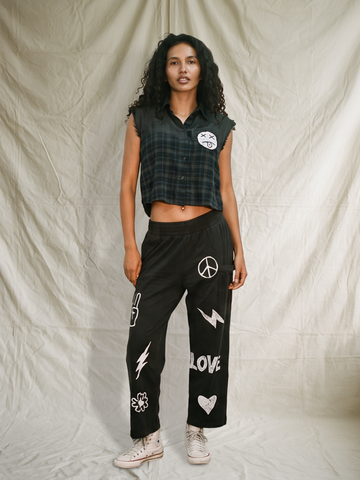
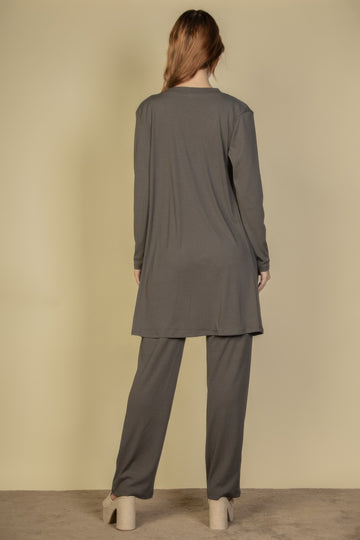
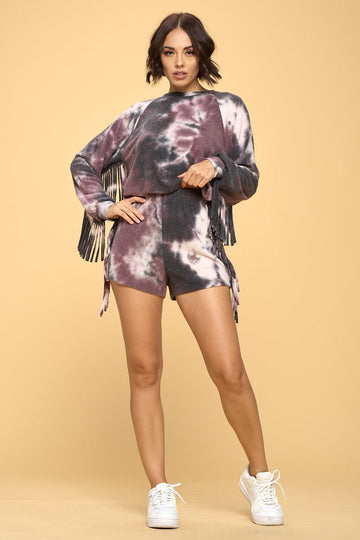
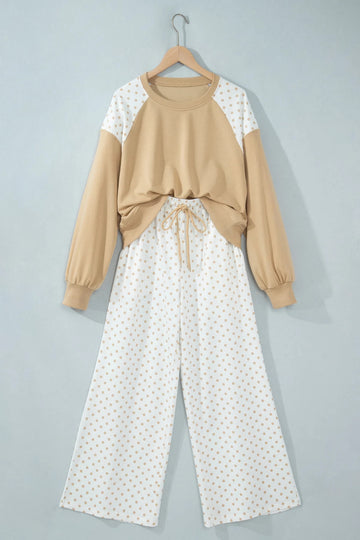
Hand-selected pieces from our Women's Pants & Leggings collection to complete this look — ready to ship with free US shipping.