Boutique Shopping Guide: How to Spot Quality Fabric and Finishing
The hallmark of a premium garment lies in its fiber composition and the way the yarns are tightly, yet gracefully, interlocked. Natural fibers such as Egyptian cotton, silk, and cashmere retain a consistent thread count that resists pilling while draping fluidly. #1 Golden Rule: always run your fingers along the seam—if the weave feels uniform and the edge lies flat, the construction is likely superior.
Stylist Key Takeaway:
Feel the grain; a tight, even weave signals lasting drape and fewer hidden flaws.
Quick Fabric Care & Emergency Protocol:
- Water-Based Spills (Coffee, Tea): Blot immediately with a clean cloth; flush cool water with mild neutral detergent. Air-dry flat.
- Oil-Based Stains (Makeup, Dressings): Apply cornstarch or talc for 15 minutes to lift lipids before gentle spot‑cleansing.
- Delicate Weaves (Silk, Rayon, Knits): Never scrub or wring; use lukewarm or cool cycles and steam to refresh.
Decoding the Fiber Blueprint: Weave, Weight, and Finish
Begin by examining the fabric’s surface under natural light; high‑quality fibers reflect a subtle sheen without glare. A smooth, consistent nap on silk or a slight “hand” on wool indicates careful spinning and proper yarn tension.
Turn the garment inside out and run your fingertips along the seams. Precision‑cut seams that lie flat without puckering reveal reinforced stitching, a sign of meticulous finishing.
Inspect the hem and cuffs for double‑stitched or blind‑stitched details. These techniques hide raw edges and prevent fraying, extending the piece’s life.
Feel the weight of the material. Luxury fabrics strike a balance—heavy enough to hold shape, yet light enough to move with the body. Over‑lightweight knits often hide synthetic blends that lose shape after a few washes.
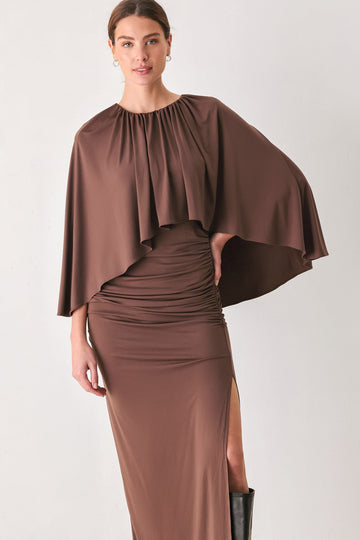
When you spot a garment you love, consider how it pairs with our curated selections, such as the elegant midi dresses that showcase the same level of craftsmanship.
From Closet to Care Cabinet: A Proven Organization Protocol
Separate garments by fiber type before storage; cottons, linens, and synthetics each require distinct humidity levels to avoid mildew or static.
Set your washing machine to the recommended temperature—typically 30°C (86°F) for delicate natural fibers. Hot water weakens protein bonds in silk and can cause cotton to shrink.
Use color‑coded laundry bags: pastel shades for light fabrics, deep tones for darks. This prevents color bleeding while keeping delicate pieces protected.
When hanging, choose padded wooden or velvet hangers that mimic the garment’s shoulder line. Avoid wire hangers, which distort the shape of blouses and jackets.
For quick refreshes, steam rather than iron whenever possible. Steam relaxes fibers, preserving the original finish and reducing the risk of shine on delicate weaves.
Silent Saboteurs: What Undermines Drape and Longevity
Fabric softeners create a coating that masks the natural feel of fibers, leading to a loss of breathability and premature pilling. Opt for a vinegar rinse instead to maintain softness without residue.
Improper hanging—such as using thin plastic hooks—stretches the fabric at stress points, especially on silk blouses and cashmere sweaters. Always support the garment’s natural fall.
Overcrowding drawers compress fibers, causing permanent creases that become difficult to release even with steam. Allocate enough space for each piece to rest in its natural shape.
Neglecting to rotate seasonal items results in uneven wear. Rotate your wardrobe every six months, giving each garment equal exposure to sunlight and airflow.
Rule-of-Thumb: If a fabric feels like cheap paper, it will behave like cheap paper after the first wash.
Investing in boutique‑sourced natural fibers and adhering to these care protocols ensures that each piece remains runway‑ready season after season. Discover more enduring styles within our best‑selling collection or explore fresh arrivals in the new collection for pieces that embody the same meticulous quality.
Frequently Asked Questions
Q: What should I look for when feeling the fabric to ensure it's high‑quality?
A: Run your fingers over the material; natural fibers like silk, cashmere, linen, and high‑grade cotton feel smooth, slightly cool, and have a subtle weight. A quality fabric will have a consistent hand without stiff spots or overly stretchy areas. Lightly tug the fabric—premium fibers will resist stretching and return to shape quickly, indicating good resilience.
Q: How can I identify superior stitching and finishing on a boutique garment?
A: Examine the seams: they should be even, tight, and lie flat without puckering. Look for double‑stitched or reinforced seams at stress points (shoulders, side seams, cuffs). Check the inside for clean, trimmed threads and a smooth lining that doesn't bunch. Quality finishing includes hand‑stitched hems, French seams, and securely attached hardware (zippers, buttons) that glide smoothly without catching.
Q: Are there specific signs in the garment’s details that reveal good craftsmanship?
A: Yes—pay attention to details like matching grain direction, symmetrical pattern alignment, and consistent edge finishes such as bias‑cut hems or hand‑rolled cuffs. Look for subtle branding like a discreet, well‑stitched label inside, and ensure any embellishments (embroidery, beading) are securely anchored. A well‑crafted piece will also have reinforced stress points, like a bar‑tack at pocket corners, and a clean, odor‑free interior, indicating proper storage and handling.
Written by Vivienne Vance, MeeeShop Senior Stylist. Explore more styling guides and fashion insights on our Author Bio page.
Curated In-Stock Essentials
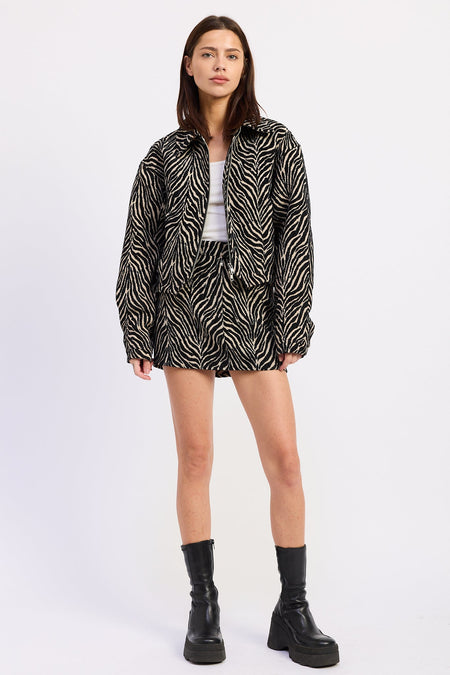
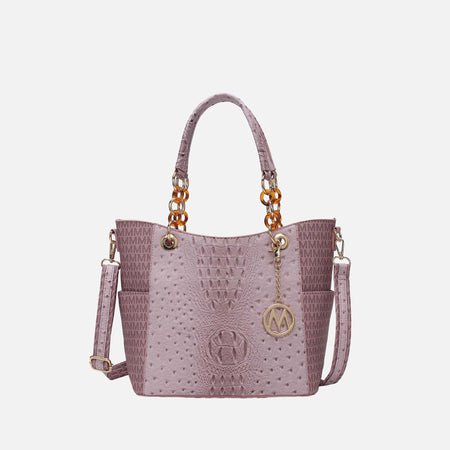
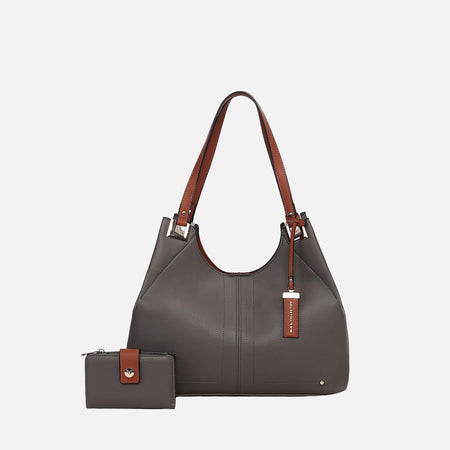
Hand-selected pieces from our Trending Bestsellers collection to complete this look — ready to ship with free US shipping.