Will This Shrink? How to Predict Fabric Behavior Before You Buy
We’ve all been there. You find the perfect top, you wear it once, and then—tragedy. It emerges from the dryer looking like it belongs to your younger sister. The heartbreak is real. After years of building my own wardrobe, I’ve learned that avoiding the "miniature-clothing" trap isn't luck. It’s science.
You can actually predict if a garment is going to shrink just by reading the tag. Let’s break down how to spot a potential laundry disaster before you reach the checkout line.
1. Check the Fiber Content: The Golden Rule
The label tells the whole story. If you want to avoid shrinkage, you need to be a fiber detective. Natural fibers are notorious for reacting to heat and agitation.
- 🧶 Cotton: The king of shrinkage. Unless it’s labeled "preshrunk," expect it to lose 3-5% of its size after the first wash.
- 🐑 Wool: A major risk. It doesn't just shrink; it felts. Unless it says "superwash" or "dry clean only," be prepared to be extremely careful.
- 🌿 Linen: It loves to hold onto water and tighten up. It usually bounces back with a quick steam, but it will feel smaller right out of the wash.
- ✨ Synthetics (Polyester, Nylon, Acrylic): These are your best friends. They are essentially plastic fibers and are highly resistant to heat-induced shrinking.
Pro Tip: If a garment is a 60/40 blend of cotton and polyester, you’re much safer than with 100% cotton. The synthetic fibers hold the shape of the garment together.
2. Look for the "Preshrunk" Label
This sounds obvious, but it’s easy to overlook when you’re distracted by a cute print. Manufacturers who preshrink their fabrics have already put the material through the stress of heat and water. If you are browsing our best selling products, look for these specific callouts in the product descriptions. It’s an easy way to save yourself the stress of "will it fit next month?"
3. The "Tug Test" in the Fitting Room
I always do a quick stress test in the store. If the fabric feels loose and airy, it likely has more room to tighten up. If the weave is super tight, it’s often more stable.
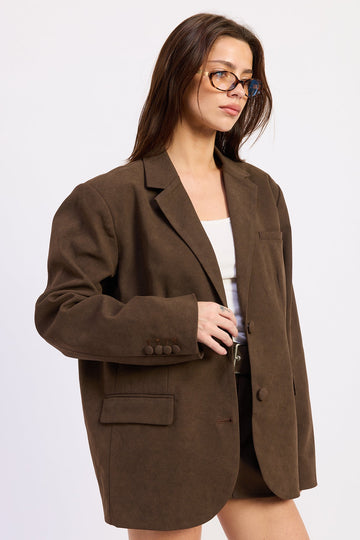
Also, pay attention to the construction. Pieces from brands like Hyfve Women's Clothing are often designed with high-quality blends that balance fashion-forward style with long-term durability. If a garment is heavily structured—like many pieces in our Blazers, Vests & Jackets category—it's usually engineered to hold its shape, meaning shrinkage is less of a concern than with a loose, thin-knit tee.
4. When in Doubt, Think About Maintenance
If you see a tag that says "Hand Wash Cold" or "Dry Clean Only," listen to it. These items aren't just high maintenance for fun. The manufacturer knows that the specific weave or fiber will warp or shrink under the heat of a standard American dryer.
I’ve started treating my laundry differently to keep my favorites looking new:
- ❄️ Wash in cold water. Hot water is the #1 enemy of fabric integrity.
- 💨 Skip the dryer. Air-drying is the single most effective way to prevent shrinkage.
- 🧺 Use a mesh bag. It protects delicate weaves from the agitation of the machine drum.
Buying clothing is an investment in your personal style. By knowing what to look for on those tiny tags, you can make sure your closet stays exactly the size you bought it.
Editor's Picks for Reliable Pieces
If you’re looking to update your wardrobe with pieces that are designed to last, check out these fan favorites:
- The Signature Everyday Blouse: Perfectly blended for comfort and durability.
- Structured Tailored Vest: A staple that keeps its shape season after season.
- Classic Vintage-Wash Denim: Pre-treated for that perfect fit that doesn't quit.
Written by Elena Vance, MeeeShop Lead Stylist. Learn more about our experts on our Author Bio page.
Curated In-Stock Essentials
Hand-selected pieces from our Trending Bestsellers collection to complete this look — ready to ship with free US shipping.