Plant-Based Wardrobe Essentials for Mindful, Sustainable Everyday Dressing
Plant‑based fibers—organic cotton, linen, hemp, Tencel® and bamboo—are built from natural cellulose chains that create an open‑weave structure, allowing breathability while retaining shape. The #1 golden rule is simple: treat every garment as a living material—handle gently, store loosely, and protect the fiber’s natural elasticity.
Stylist Key Takeaway:
Hang plant‑based pieces on padded or wooden hangers and fold only when the fabric’s weight exceeds its natural drape; this preserves the weave and prevents unwanted stretching.
Decoding the Anatomy of Plant‑Based Fibers
Open‑weave fibers like linen and hemp feature larger inter‑yarn gaps, which translate to superior airflow and a relaxed silhouette. In contrast, tighter weaves such as organic cotton sateen create a smoother surface that holds shape better but can feel heavier.
The “hanging zone”—the distance from the shoulder seam to the garment’s lowest point—determines how gravity interacts with the weave. A well‑balanced zone keeps the fabric’s tension even, preventing sagging at the hem while preserving the natural drape.
Every plant fiber has a threshold limit for heat and moisture. Exceeding 120°F (49°C) or subjecting the material to prolonged dampness can weaken cellulose bonds, leading to pilling and loss of structural integrity.
Step‑by‑Step Care & Organization Protocol for Plant‑Based Pieces
Sort garments by fiber density: lightweight linens with delicate knits, medium‑weight organic cottons together, and heavyweight hemp jackets separately. Wash each group in cold‑water cycles (30°C/86°F) with a pH‑neutral, plant‑based detergent.
Use a gentle spin (800 rpm max) to avoid overstretching. For colors, maintain a 70/30 light‑to‑dark ratio to minimize dye bleed. When drying, lay flat on a clean towel for items prone to stretching; otherwise, tumble on low heat (no higher than 95°F/35°C).
Steam is your best friend for wrinkle release—set the iron to a low steam setting and glide over the fabric without direct contact. For crisp edges, a quick press with a cloth barrier preserves the natural sheen without scorching.
Quick Fabric Care & Emergency Protocol:
- Water-Based Spills (Coffee, Tea): Blot immediately with a clean cloth; flush cool water with mild neutral detergent. Air-dry flat.
- Oil-Based Stains (Makeup, Dressings): Apply cornstarch or talc for 15 minutes to lift lipids before gentle spot‑cleansing.
- Delicate Weaves (Silk, Rayon, Knits): Never scrub or wring; use lukewarm or cool cycles and steam to refresh.
Common Pitfalls That Undermine Drape & Longevity
Fabric softeners coat cellulose fibers, reducing breathability and causing the weave to lose its natural “snap.” Opt for a vinegar rinse (¼ cup per load) to restore pH balance and maintain softness without chemicals.
Improper hangers—wire or thin plastic—create pressure points that stretch shoulder seams. Choose padded wooden or wide‑shouldered hangers, especially for structured blouses and jackets.
Overcrowding closets forces fabrics to rub against each other, accelerating abrasion and pilling. Allocate at least an inch of breathing space per garment; this simple habit keeps the surface fibers intact.
Excessive heat from direct sunlight or high‑temperature dryers can cause cellulose fibers to become brittle, leading to cracks in the weave. Store garments in a cool, dimly lit area and limit dryer use to the lowest setting.
Rule-of-Thumb: When in doubt, treat a plant‑based piece like a delicate flower—handle with care, give it space to breathe, and let natural fibers rest between washes.
Building a Mindful Plant‑Based Capsule
Start with versatile basics: an organic cotton tee, a linen button‑down, a hemp utility shirt, and a Tencel® midi dress. These pieces mix effortlessly, allowing you to layer for seasonality without sacrificing sustainability.
Invest in boutique-quality fibers that prioritize low‑impact dyes and fair‑trade certifications. The superior yarn count and thoughtful construction of our curated plant‑based tops collection ensure each garment retains its shape after countless wears.
Pair a breezy linen shift with a flowing silhouette from our women’s dresses collection for an effortless day‑to‑night transition. For a fresh perspective, explore the latest innovations in hemp‑cotton blends within our new arrivals.
By respecting the structural anatomy of plant fibers, adhering to a gentle care routine, and avoiding common mishandling habits, you’ll extend the life of each piece far beyond a single season. A mindful wardrobe not only reduces waste but also celebrates the beauty of sustainable fashion—one responsibly cared‑for garment at a time.
Frequently Asked Questions
Q: How can I build a versatile plant‑based capsule wardrobe that mixes and matches easily for everyday wear?
A: Start with neutral basics—organic cotton tee, linen button‑down, hemp twill trousers, and a recycled‑polyester blazer—in earthy tones like ivory, sage, and warm gray. Add a few statement pieces—such as a bamboo silk midi dress or a Tencel jumpsuit—in complementary colors. Stick to a consistent color palette and similar fabric weights so each item layers smoothly, allowing you to create at least 12 distinct outfits with just five core pieces.
Q: What are the best care practices for plant‑based fabrics to keep them looking fresh and last longer?
A: Treat plant‑based fibers gently: wash organic cotton, linen, and hemp in cold water on a gentle cycle, and use a plant‑based detergent free of harsh chemicals. Skip the dryer—air‑dry flat or on a low‑heat rack to prevent shrinkage. For Tencel or bamboo silk, hand‑wash or use the delicate cycle, then reshape while damp and lay flat to dry. Store items on padded hangers and avoid prolonged sunlight to preserve color and fiber integrity.
Q: How do I choose plant‑based shoes that are both stylish and eco‑friendly for daily use?
A: Look for shoes made from certified vegan leather, cork, or recycled rubber. A classic low‑top sneaker in Piñatex (pine‑leaf leather) pairs well with jeans or a linen dress, while a cork‑sole espadrille adds a breezy, summer vibe. Prioritize breathable linings (e.g., organic cotton) and a sturdy, biodegradable sole for comfort and durability. Choose neutral shades—taupe, olive, or deep navy—to maximize outfit flexibility.
Written by Audrey Sterling, MeeeShop Style Director. Explore more curated styling insights and fashion guides on our Author Bio page.
Curated In-Stock Essentials
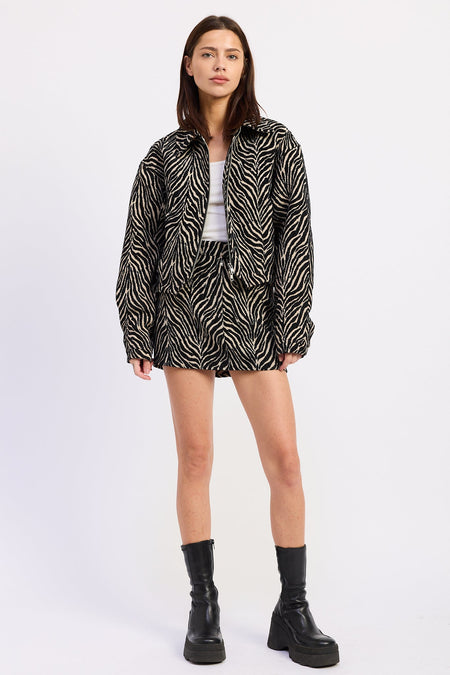
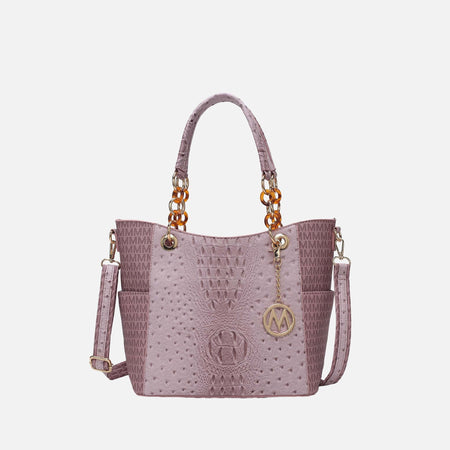
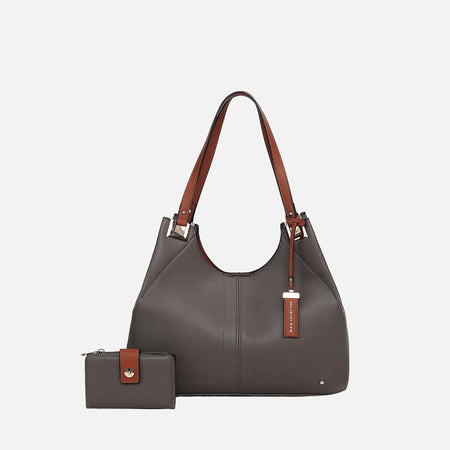
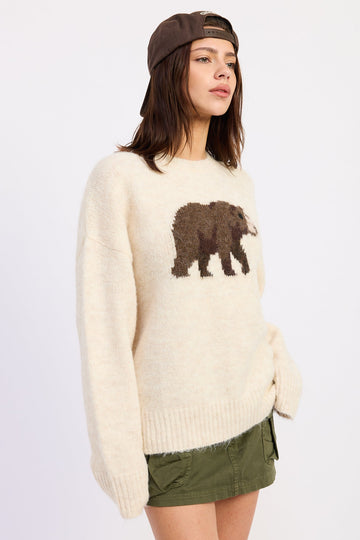
Hand-selected pieces from our Trending Bestsellers collection to complete this look — ready to ship with free US shipping.