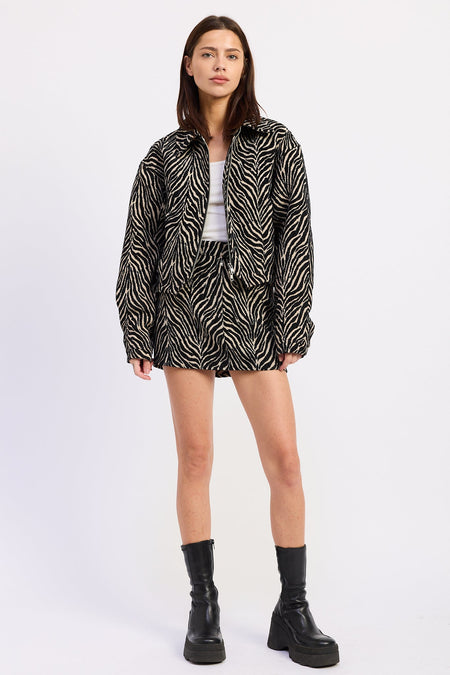
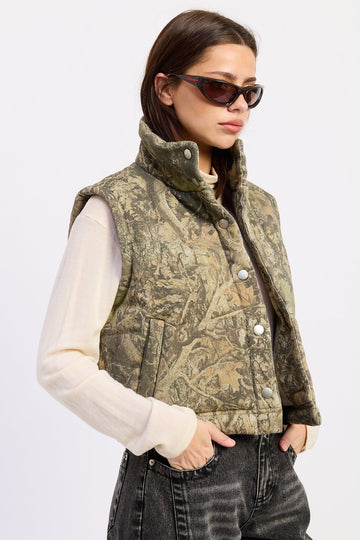
How to Build a Sustainable and Cruelty-Free Wardrobe
It’s 7:30 a.m., you’re juggling a latte, a reusable tote, and a quick glance at the city’s commuter board. The train rumbles in, and you slip into a pair of high‑recovery stretch denim and a soft organic‑cotton blouse. You notice how the fabric moves with you, how the silhouette flatters without sacrificing comfort. That split‑second feeling—confidence that comes from knowing each piece respects the planet and your body—sets the tone for the whole day. Whether you’re heading to a brunch meeting or an evening gallery opening, the balance between proportion, fabric quality, and ethical sourcing is the invisible thread that holds your look together.
1. Mastering Proportions & Silhouette Balance
As a stylist, I start every wardrobe build by visualizing the body as a series of shapes. The goal is to create visual harmony: elongate, define, and soften where needed. A well‑balanced outfit can make a petite frame feel taller, or give a curvier shape a sleek, streamlined appearance. Choose one statement piece—like a structured blazer or a flowing maxi dress—and let the rest of the look support it with clean lines and complementary lengths. Remember, proportion is the silent designer that turns a simple ensemble into a polished statement.
- High‑waisted, wide‑leg trousers + cropped, fitted organic‑cotton tee + pointed vegan leather loafers.
- Tailored midi dress in breathable linen + belt at natural waist + low‑profile slip‑on canvas sneakers.
- Relaxed-fit, high‑recovery denim + tucked-in ribbed knit sweater + ankle‑height suede booties.
2. Textile Selection, Color Harmonies & Footwear
Choosing the right fabric is the foundation of a sustainable wardrobe. Organic cotton offers breathability and a soft hand feel, while remaining biodegradable. Linen, especially when sourced from regenerative farms, brings a crisp texture that ages beautifully with each wash. High‑recovery stretch denim, blended with recycled elastane, gives you the comfort of athleisure without compromising structure. For cooler days, opt for fine merino wool or a responsibly sourced Tencel knit; both regulate temperature and shed micro‑fibers responsibly.
When it comes to color, anchor your palette in neutral tones—warm sand, muted olive, soft ivory—then introduce one or two seasonal accents like deep indigo or muted terracotta. This approach maximizes mix‑and‑match potential while keeping the wardrobe feeling fresh.
Footwear should echo the ethical ethos of the outfit. Vegan leather ankle boots pair perfectly with linen dresses, while reclaimed rubber sneakers complement stretch denim. For formal occasions, consider plant‑based suede pumps that hold shape without animal hide. Always match the shoe’s silhouette to the garment’s proportion: sleek pointed toes elongate legs under wide‑leg trousers; rounded flats keep the line soft under a fitted skirt.
“If the garment feels good on your skin and good for the planet, you’ll wear it with confidence—no extra effort required.”
Frequently Asked Questions
Q: How can I tell if a denim pair is truly high‑recovery and sustainable?
A: Look for certifications such as GOTS for organic fibers or the Global Recycled Standard (GRS) on the label. High‑recovery denim typically lists a blend of recycled cotton or polyester with a small percentage of elastane (usually 2‑3%). The fabric should have a slight stretch that returns to its original shape after a pull, and the stitching should be reinforced at stress points. If the brand provides a transparent supply chain story, that’s an additional sign of authenticity.
Q: Can I build a cruelty‑free wardrobe on a budget?
A: Absolutely. Start with versatile basics—organic‑cotton tees, a classic linen button‑down, and a pair of recycled‑material jeans. Shop seasonal sales in the New products collection, where emerging sustainable brands often debut at introductory prices. Thrift and up‑cycle pieces, then treat them with eco‑friendly detergents to extend their life. Investing in quality staples reduces the need for frequent replacements, saving money in the long run.
Q: What shoe styles work best with a sustainable, minimalist aesthetic?
A: Minimalist aesthetics thrive on clean lines and understated details. Vegan leather loafers, low‑profile canvas slip‑ons, and sleek plant‑based suede ankle boots are ideal. Pair a pair of Women's Tops in a neutral hue with these shoes to keep the look cohesive. For a pop of personality, choose a shoe in a muted earth tone—such as rust or sage—that complements your outfit’s color harmony without overwhelming it.
Written by Maya Devereaux, MeeeShop Fashion Consultant. Explore more styling guides and fashion insights on our Author Bio page.
Curated In-Stock Essentials
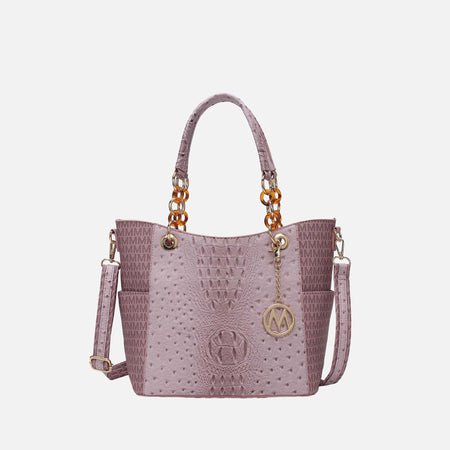
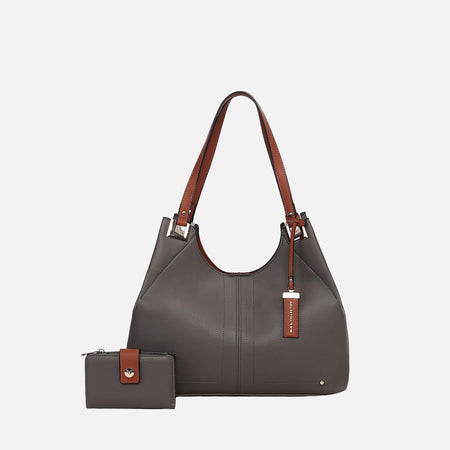
Hand-selected pieces from our Trending Bestsellers collection to complete this look — ready to ship with free US shipping.