How to Layer a Turtleneck Under Blazers, Dresses, and Button-Downs
The secret to a seamless turtleneck layer lies in respecting the fiber’s natural stretch and the garment’s hanging zone. #1 golden rule: match the turtleneck’s weight to the outer piece’s structure so the silhouette stays smooth, not bulky.
Stylist Key Takeaway:
Pair a lightweight, fitted turtleneck with structured blazers or dresses; avoid heavy knits that add unwanted volume.
Choosing the right fabric is the first step. A fine merino or cashmere blend slides under a blazer without crushing the lapels, while a chunky ribbed knit works best with a relaxed dress silhouette. Keep the turtleneck’s neckline snug but not tight, allowing it to glide under collars without pulling.
Decoding the Turtleneck’s Fabric Architecture
Open‑weave knits like lightweight cotton or bamboo create micro‑air pockets that breathe, making them ideal for button‑down layering. Synthetic blends (polyester‑spandex) bond tightly, offering stretch but less drape; they excel under fitted blazers where a crisp line is essential.
The “hanging zone” – the area from shoulder to waist – determines how much fabric a garment can bear before sagging. A turtleneck that sits within this zone, with a smooth rib that aligns with the blazer’s shoulder line, preserves the outer piece’s silhouette.
Threshold limits differ by fiber: silk and rayon tolerate only 0.2 mm of added thickness before looking puffy, whereas wool and cashmere handle up to 0.5 mm. Use this guide to gauge whether a particular turtleneck will complement a dress’s flow or a button‑down’s cut.
Layer‑Ready Workflow: Sorting, Temperature, and Steaming
Start by sorting garments by weight and fiber type. Group lightweight knits with delicate dresses, and medium‑weight sweaters with structured blazers. This prevents cross‑contamination of lint and keeps each piece’s shape intact during storage.
When laundering, use cool‑to‑warm water (30‑40 °C) for natural fibers and a gentle cycle for synthetics. Avoid high spin speeds; they stretch the rib of the turtleneck and distort the blazer’s lining. Air‑dry flat or on a padded hanger to maintain the neckline’s integrity.
Steaming is your ally: a quick pass over the turtleneck before slipping it under a blazer removes static and smooths the rib, while a light steam on the outer garment restores its crispness without harsh heat.
What Undermines Drape? The Hidden Hazards of Improper Layering
Fabric softeners coat fibers with silicone, reducing the natural grip that keeps a turtleneck in place. The result is a slippery layer that slides off collars, creating gaps and an unflattering silhouette.
Improper hangers—wire or narrow plastic—compress the shoulders of blazers and stretch the rib of a turtleneck. Opt for padded or wooden hangers that support the garment’s shape from the seam to the shoulder.
Overcrowding the closet forces garments to rub against each other, leading to pilling on knits and crushing the drape of dresses. Keep a breathing space of at least an inch between each piece to preserve texture.
Rule-of-Thumb: Never layer a turtleneck that exceeds the outer garment’s seam line by more than one finger width.
Investing in boutique natural fibers amplifies this effect. A responsibly sourced cashmere turtleneck not only feels luxurious but also retains shape after multiple washes, extending the life of your blazers, dresses, and button‑downs.
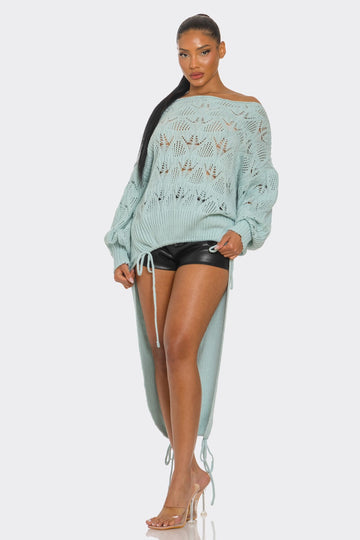
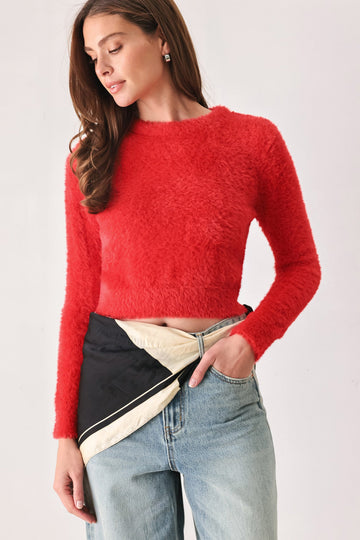
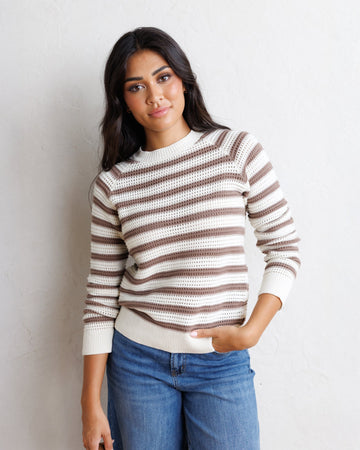
For a polished office look, slip a slim women's sweater in a neutral hue under a tailored blazer. The lightweight knit adds warmth without bulk, and the clean line of the turtleneck keeps the ensemble sleek.
When dressing down for weekend brunch, pair a relaxed-fit women's knit top with an oversized dress. The generous drape of the dress accommodates the extra rib, creating a cozy yet refined silhouette.
Even a classic button‑down can become a statement piece when layered with a thin, ribbed turtleneck in a complementary shade. Choose a breathable cotton blend for the button‑down and a merino turtleneck for effortless layering.
Quick Fabric Care & Emergency Protocol:
- Water-Based Spills (Coffee, Tea): Blot immediately with a clean cloth; flush cool water with mild neutral detergent. Air-dry flat.
- Oil-Based Stains (Makeup, Dressings): Apply cornstarch or talc for 15 minutes to lift lipids before gentle spot-cleansing.
- Delicate Weaves (Silk, Rayon, Knits): Never scrub or wring; use lukewarm or cool cycles and steam to refresh.
Remember, the longevity of your layered look hinges on both the right fabric choices and diligent care. By respecting fiber anatomy, following a temperature‑controlled laundering routine, and avoiding common pitfalls, you’ll keep your turtlenecks and outerwear looking runway‑ready season after season.
Frequently Asked Questions
Q: What weight or fabric of turtleneck should I pick to layer under a blazer without creating a bulky silhouette?
A: Choose a lightweight, stretchy knit such as a 12‑14 oz jersey or a fine merino blend. These fabrics hug the body and stay thin, so the blazer’s shoulder line stays sharp. Avoid chunky ribbed or cable knits; if you love texture, opt for a subtle rib that’s still under 1 mm thick. Pair a fitted cut (size‑true, not oversized) with a blazer that has a little room in the chest—typically a blazer with a 2‑3 inch ease works best for a smooth, layered look.
Q: How do I match colors when wearing a turtleneck under a dress to keep the outfit cohesive and not look mismatched?
A: Treat the turtleneck as a second skin: stick to a tonal or neutral palette. For a black dress, a charcoal or deep navy turtleneck adds depth without contrast. For lighter dresses (cream, pastel), choose a matching shade (e.g., ivory under a cream dress) or a soft contrast like a muted taupe. If you want a pop, let the turtleneck be the only bright piece—think a burgundy turtleneck under a black slip dress, then keep accessories in the same hue for balance.
Q: What’s the best way to keep a button‑down shirt looking crisp when I layer a turtleneck underneath?
A: First, select a slim‑fit, thin‑knit turtleneck that sits flat against the skin. Slip the shirt on over the turtleneck, then smooth the front by gently tugging the collar and cuffs outward before buttoning. For a polished finish, use a light spray starch on the shirt’s collar and cuffs, and press the shirt (not the turtleneck) on a low‑heat setting. If the shirt’s sleeves bunch, roll the turtleneck’s sleeves up a bit or choose a shirt with a slightly longer sleeve length to accommodate the extra layer.
Written by Maya Devereaux, MeeeShop Fashion Consultant. Explore more curated styling insights and fashion guides on our Author Bio page.
Curated In-Stock Essentials
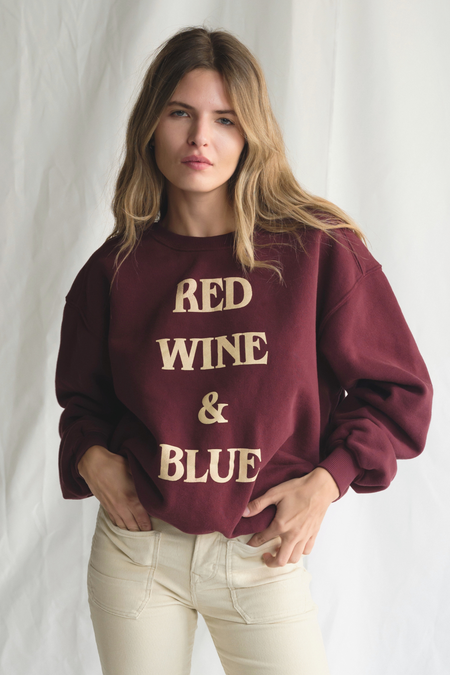
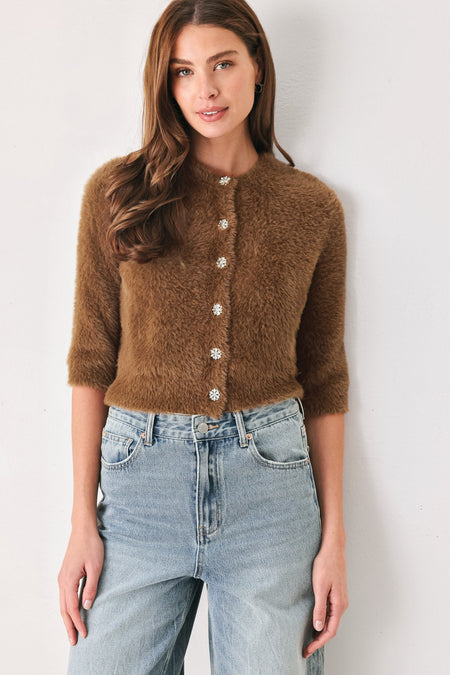
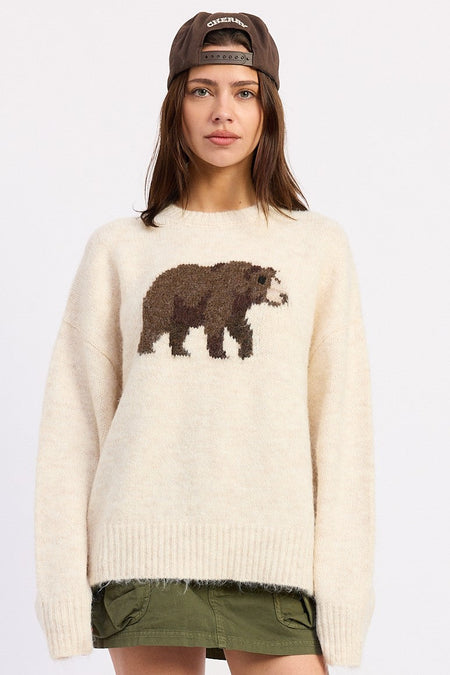
Hand-selected pieces from our Knit Sweaters & Cardigans collection to complete this look — ready to ship with free US shipping.